User experience (UX) design is more than just creating visually appealing interfaces—it’s about understanding human behavior. Every interaction a user has with a digital product is influenced by psychological principles that drive decision-making, attention, and engagement.
Behavioral psychology, a branch of psychology that studies how people behave in response to stimuli, plays a vital role in UX design. It provides insights into why users take certain actions, what motivates them, and how design choices can shape their behavior.
By integrating these psychological principles into UX strategies, designers can create more intuitive, user-friendly experiences that not only guide users but also enhance satisfaction and conversions.
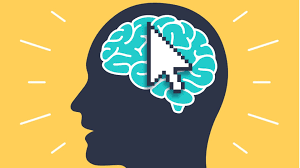
What Is Behavioral Psychology and Why Does It Matter in UX?
Behavioral psychology, also known as behaviorism, focuses on how people respond to different environmental factors, rewards, and reinforcement patterns. It explains how habits are formed, why certain interactions feel intuitive, and how design can subtly influence user decisions.
When applied to UX design, behavioral psychology helps in:
- Reducing friction: Streamlining processes to make tasks feel effortless.
- Encouraging engagement: Using motivational triggers to keep users interested.
- Improving usability: Designing interfaces that align with natural human tendencies.
Understanding these behavioral triggers allows UX designers to craft experiences that feel almost second nature to users.
Key Behavioral Psychology Principles That Shape UX Design
1. Hick’s Law: Simplifying Decision-Making
Concept: Hick’s Law states that the more choices a person has, the longer they take to decide. Too many options can lead to decision paralysis, causing users to abandon tasks.
UX Application:
- Reduce clutter in menus and navigation.
- Present only essential information initially, revealing more as needed.
- Use progressive disclosure to simplify complex tasks.
Example: Streaming platforms like Netflix categorize content into smaller groups rather than overwhelming users with an endless list.
2. Fitts’s Law: Enhancing Usability
Concept: This law states that the time required to interact with a target (button, link, icon) depends on its size and distance.
UX Application:
- Design buttons large enough for easy clicking/tapping.
- Place primary CTAs (call-to-action buttons) within reach.
- Reduce unnecessary steps in completing actions.
Example: Mobile apps place key navigation buttons at the bottom of the screen for thumb accessibility.
3. The Zeigarnik Effect: Encouraging Task Completion
Concept: People tend to remember and feel compelled to complete unfinished tasks. This psychological tension can be leveraged to keep users engaged.
UX Application:
- Use progress indicators for multi-step tasks.
- Send reminders for abandoned shopping carts or incomplete sign-ups.
- Break large tasks into smaller, manageable steps.
Example: E-learning platforms show progress bars to encourage learners to complete courses.
4. The Principle of Reciprocity: Building Trust and Engagement
Concept: When people receive something valuable, they feel obligated to return the favor.
UX Application:
- Offer free trials or valuable content before asking for sign-ups.
- Personalize experiences to make users feel valued.
- Use gamification elements, such as badges or rewards, to encourage participation.
Example: SaaS platforms provide free tools or guides, leading users to trust the brand and eventually convert into paying customers.
5. Loss Aversion: Creating a Sense of Urgency
Concept: People fear losing something more than they value gaining something of equal worth. This principle influences decision-making, especially in e-commerce and subscription-based services.
UX Application:
- Highlight limited-time offers or product scarcity.
- Emphasize what users will lose if they don’t take action.
- Use persuasive microcopy that reinforces urgency.
Example: Online booking sites use phrases like “Only 2 rooms left!” to prompt faster decisions.
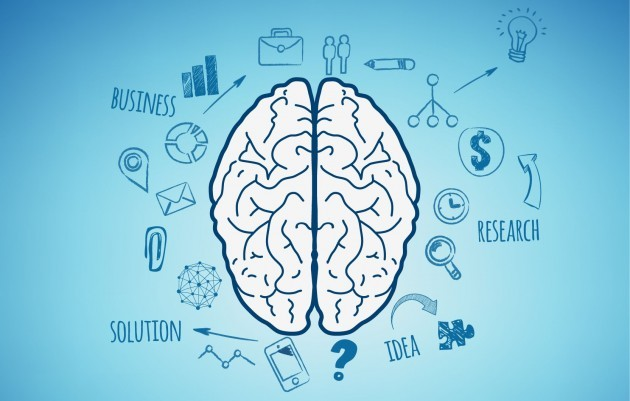
How UX Designers Can Leverage Behavioral Psychology
1. Understand What Motivates Your Users
Not all users have the same goals. Conduct user research, analyze behavior patterns, and identify what drives engagement for your target audience.
2. Minimize Cognitive Load
Cognitive overload frustrates users and leads to high bounce rates. Keep interfaces simple, break tasks into steps, and use clear visual hierarchies to reduce mental strain.
3. Use Habit Formation Techniques
Designing for habit loops can make digital experiences more addictive. Implement consistency, reward systems, and subtle nudges to encourage repeated use.
4. Build Emotional Connections
People connect with brands that evoke emotions. Use storytelling, personalization, and relatable visuals to create a more immersive experience.
5. Optimize Microinteractions
Microinteractions, such as hover effects, animations, and instant feedback, make an interface feel responsive and engaging. They help users understand their actions and create a seamless experience.
The Future of UX: Psychology-Driven Design
As technology evolves, so does the role of psychology in UX. With AI, voice interfaces, and virtual reality shaping the future, understanding human behavior will be more critical than ever.
Future trends in psychology-driven UX design include:
- Personalized AI experiences: Tailoring content based on user behavior.
- Neuroscience-based UX: Using brainwave analysis to measure user satisfaction.
- Emotional design: Creating interfaces that adapt based on user emotions.
By continuing to study human behavior, UX designers can create digital products that feel not only functional but also deeply intuitive and rewarding.
Conclusion
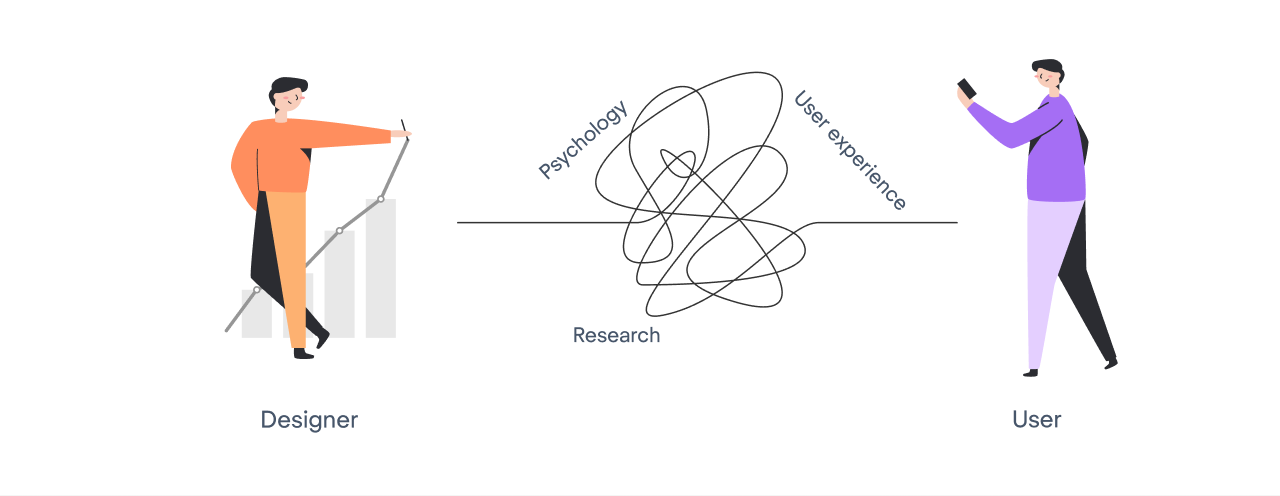
Behavioral psychology plays a crucial role in shaping user experiences. By understanding the psychological principles that drive user behavior, designers can craft experiences that feel seamless, engaging, and rewarding.
From simplifying decision-making with Hick’s Law to encouraging task completion with the Zeigarnik Effect, psychology-backed UX strategies can enhance usability, improve conversions, and foster long-term user satisfaction.
As UX design continues to evolve, integrating behavioral psychology will remain at the heart of creating intuitive, human-centered digital experiences.
Level up your UI/UX skills! Learn to create stunning interfaces and seamless user experiences with our Advanced UI/UX Design Course. Boost your career and design products that stand out.
Enroll today at Kaarwan for more insights!
FAQs
1. Why is behavioral psychology important in UX design?
Behavioral psychology helps UX designers understand user motivations and behaviors, allowing them to create experiences that feel intuitive and engaging.
2. What is an example of psychology in UX?
The Zeigarnik Effect is a great example—users remember unfinished tasks and are more likely to return to complete them, making progress bars effective.
3. How does loss aversion impact UX?
Loss aversion makes users act quickly when they fear missing out, which is why limited-time offers and scarcity tactics are effective.
4. What is cognitive load in UX?
Cognitive load refers to the amount of mental effort required to complete a task. Reducing it improves usability and user satisfaction.
5. How can UX designers use Fitts’s Law?
Designers can make buttons larger and place them in accessible locations to improve usability, especially on mobile devices.